Why Is Hem Brewing Popular Among Professional Brewers?
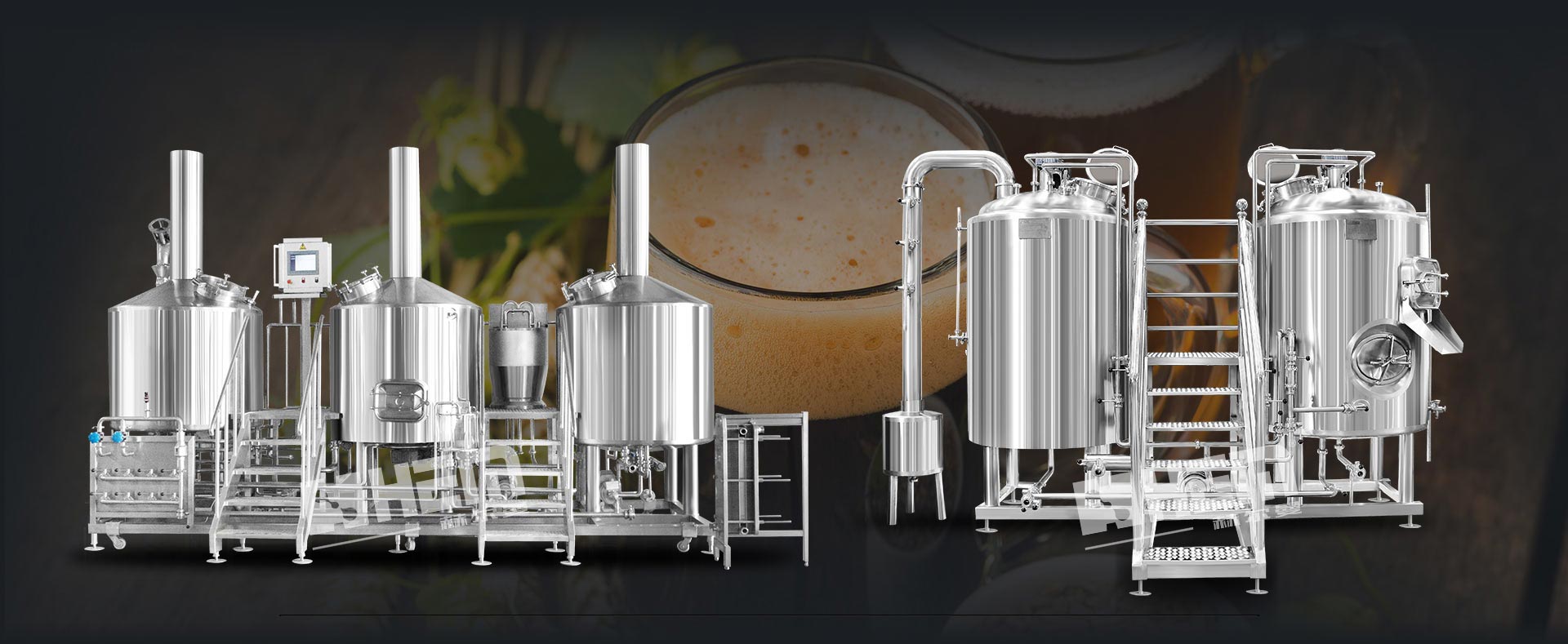
Hem Brewing has become popular among professional brewers because it supports more accurate production control, better repeatability, and efficient use of ingredients. Modern breweries using advanced equipment focus on maintaining stable gravity, fermentation temperature, and quality between batches. With the global craft beer market becoming more competitive after 2020, brewers increasingly choose systems such as hem beer equipment to improve production consistency, reduce material waste, and create specialty beers with controlled flavor profiles. Research on brewing technology has also shown that improved process control can increase extraction efficiency and reduce energy consumption in commercial brewing environments.
Professional brewers increasingly prefer Hem Brewing because modern beer production requires measurable control rather than relying only on manual experience. In 2024, the U.S. craft beer market included more than 9,600 operating craft breweries, creating strong competition among producers. Breweries producing thousands of barrels annually need equipment that can maintain similar results across hundreds of batches.
“A professional brewery must repeat the same quality profile dozens or hundreds of times, not only create one successful batch.”
Brewing consistency depends on controlling several technical points:
| Production area | Typical measurement | Reason professionals monitor it |
|---|---|---|
| Mash process | 64–70°C temperature range | Controls sugar extraction |
| Wort quality | Original gravity measurement | Predicts alcohol level |
| Fermentation | 18–22°C for many ales | Controls yeast activity |
| Oxygen management | Parts per billion level | Protects flavor stability |
Brewers choose systems that help them collect accurate data during each stage because small changes can affect taste, aroma, and shelf life. A difference of only 1°C during fermentation can influence yeast behavior, while a 5% change in extraction efficiency can affect raw material costs over a full production year.
The demand for better control has increased as craft breweries move from small pilot batches into commercial production. A recipe developed in a 50-liter test system may behave differently when transferred into a 5,000-liter fermentation tank because heat movement, oxygen exposure, and yeast distribution change with scale.
Hem Brewing equipment is designed around this need for scalable production. Professional brewers often evaluate equipment by looking at:
- Batch size flexibility from pilot production to commercial volumes
- Cleaning efficiency between different beer styles
- Temperature control accuracy
- Ingredient utilization rates
- Maintenance requirements over long production cycles
A brewery producing 1,000 barrels annually may accept small inefficiencies, but a brewery producing 50,000 barrels faces much larger financial effects. If a process loses 2% of usable wort in every batch, the yearly material loss becomes significant.
This focus on efficiency also connects with energy management. Brewing requires heating, cooling, pumping, and cleaning, which create substantial operating costs. A 2024 simulation study examining 239 Danish breweries found that improved energy flexibility could reduce electricity costs by 1.56% annually while lowering carbon emissions by approximately 1,745 tonnes across the studied sector.
“Professional brewing equipment is judged not only by beer quality but also by how efficiently it uses water, energy, and ingredients.”
Flavor control is another reason professional brewers pay attention to advanced brewing systems. Beer flavor comes from the interaction of malt, hops, yeast, water chemistry, and fermentation conditions.
A brewer creating an IPA may focus on hop aroma retention, while a lager producer may focus on fermentation cleanliness and temperature stability. Different beer styles require different production settings.
For example:
| Beer style | Common professional focus |
|---|---|
| IPA | Hop aroma preservation and bitterness balance |
| Lager | Long fermentation control and clarity |
| Stout | Malt extraction and roasted flavor balance |
| Sour beer | Microbial management and aging control |
Brewing technology allows professionals to adjust these variables with greater accuracy. Studies examining advanced brewing methods have shown that process improvements can influence extraction speed, energy use, and production efficiency while maintaining beer quality.
The popularity of Hem Brewing is also connected to recipe development. Craft breweries release seasonal beers, limited editions, and experimental styles, which require flexible production systems.
Between 2020 and 2025, many breweries expanded their product ranges beyond traditional pale ales and lagers. A large-scale analysis of 62,121 beer recipes found significant differences in ingredient combinations and fermentation approaches across beer categories, showing how broad modern beer development has become.
Professional brewers need equipment that supports experimentation without making production unpredictable. A brewer can test a new hop combination or yeast strain on a small scale and then reproduce the same profile in larger batches.
“Creative brewing depends on having enough technical control to repeat new ideas.”
Quality control is another area where professional breweries use advanced systems. Consumers expect the same beer experience every time they purchase a product. A brewery selling 100,000 cans of the same beer cannot allow major differences between production runs.
Quality checks often include:
- Alcohol percentage testing
- pH monitoring
- Color measurement
- Carbonation analysis
- Sensory evaluation by trained staff
Many professional breweries combine laboratory testing with equipment data to identify differences early. A fermentation issue discovered after packaging can create much higher losses than a problem corrected during production.
The growing interest in Hem Brewing also reflects changes in brewery business models. Since the craft beer sector has become more crowded, smaller and medium-sized breweries need equipment that allows efficient production without sacrificing specialty beer quality. The Brewers Association has long defined craft breweries around small production, independence, and traditional brewing approaches, with production limits and ownership standards shaping the category.
A modern brewery may need to produce:
| Production goal | Equipment requirement |
|---|---|
| Weekly flagship beer | Reliable repeatability |
| Seasonal release | Fast recipe adjustment |
| Contract brewing | Flexible capacity |
| Export products | Stable shelf quality |
Hem Brewing attracts professional users because it matches these practical requirements. Brewers can maintain traditional craftsmanship while using more controlled production methods.
Another reason professionals value modern brewing equipment is sanitation. Beer production requires strict cleaning procedures because unwanted microorganisms can change flavor and reduce product stability.
Commercial breweries commonly monitor cleaning cycles, temperature, chemical concentration, and contact time. A cleaning process that is 10% more efficient can reduce water and chemical consumption across hundreds of production cycles.
The relationship between equipment design and brewer skill remains important. Technology does not replace brewing knowledge; it gives brewers more accurate tools for applying that knowledge.
A professional brewer still decides:
- Which ingredients create the desired flavor
- How long fermentation should continue
- When a beer is ready for packaging
- Which adjustments improve the final product
Equipment provides the consistency needed to turn those decisions into repeatable results.
The continued popularity of Hem Brewing among professional brewers comes from its ability to support modern production expectations. Breweries today need systems that handle precision, flexibility, efficiency, and quality control at the same time.
As craft beer continues developing after decades of growth, professional brewers increasingly rely on equipment that helps them produce distinctive beers while maintaining stable commercial standards. Systems that combine accurate control with practical operation remain attractive for breweries seeking reliable long-term production.