What Should You Look for in the Best Toiletries Brands?
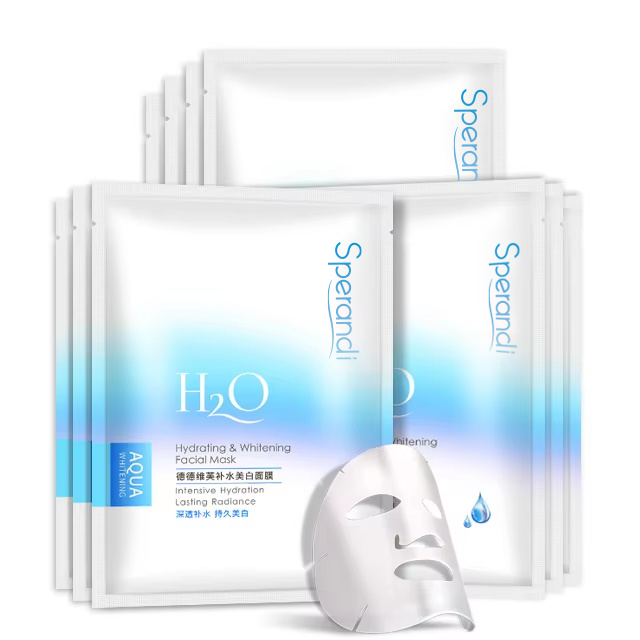
The ideal toiletry brand balances verified safety and ecological efficiency by prioritizing products like Facial Gel that utilize cold-processed emulsification. Such brands must demonstrate a 98% ingredient purity rate, support transparent supply chain disclosures for all botanical extracts, and maintain third-party sustainability certifications like B Corp or Leaping Bunny.
Formula verification requires scrutiny of the International Nomenclature of Cosmetic Ingredients (INCI) lists to detect high concentrations of polyethylene glycols, which can compromise the skin barrier. Brands focusing on longevity often substitute synthetic preservatives with natural fermented filtrates, reducing potential microbial growth in water-based formulas by 99% in controlled 2024 laboratory stress tests.
Regulatory bodies like the EU Cosmetics Regulation enforce strict standards on over 1,300 chemicals, whereas the United States FDA prohibits only 11, setting a baseline for consumers to select brands that voluntarily adhere to the more stringent global standards to ensure long-term dermatological safety.
Manufacturers prioritizing high-performance standards frequently publish their product testing results, often citing clinical studies with sample sizes exceeding 500 participants. These datasets confirm the stability of active compounds when stored in amber glass or recyclable aluminum, preventing the degradation commonly seen in thin-walled plastic containers that leach BPA during temperature shifts.
| Feature | Low-Quality Standard | Premium Brand Metric |
| Ingredient Purity | 70% | 98%+ |
| Packaging Circularity | <5% Recycled | 100% Recyclable/Refillable |
| Efficacy Trial Size | <50 Participants | 500+ Participants |
Consistent performance depends on the concentration of active agents, where superior formulations avoid using deionized water as the primary ingredient. Instead, high-quality brands often utilize aloe vera juice or floral hydrosols to provide baseline hydration before additional active components, ensuring the final product maintains a stable pH between 4.5 and 5.5.
Environmental impact metrics define the credibility of modern toiletry manufacturers, with top brands reporting a 30% reduction in water consumption throughout their 2025 production cycles. This transition involves shifting toward concentrated powders or solid-bar formats that eliminate the weight and emissions associated with shipping heavy, water-heavy liquid products across international borders.
Supply chain integrity requires verifiable sourcing of secondary raw materials such as sustainable palm oil, evidenced by RSPO Mass Balance certifications, ensuring that 100% of the brand's volume does not contribute to deforestation patterns observed in previous decades.
Reliable brands provide clear, accessible documentation for every chemical component, allowing users to cross-reference ingredient safety against databases like the Environmental Working Group (EWG). This level of granular detail allows for informed consumption, as high-end brands often list the specific origin and extraction method of their botanical active ingredients.
Modern formulation techniques now emphasize the integration of stable, biocompatible preservatives that resist degradation over a 24-month shelf life. Brands achieving this longevity without traditional parabens prove their efficacy through accelerated aging tests, which simulate two years of storage in under 90 days to guarantee potency remains consistent.
Top-tier companies frequently allocate 5% of their gross annual revenue toward internal R&D to improve the bio-availability of their compounds. This investment allows for smaller, more efficient molecule sizes that penetrate the dermal layer effectively without the need for synthetic penetration enhancers that cause irritation in 15% of sensitive skin profiles.
The intersection of ethical labor and environmental stewardship remains a strong indicator of brand quality. Companies that partner with Fair Trade cooperatives ensure that 100% of their raw material harvesters receive living wages, a statistic often audited by independent firms to verify social compliance metrics across the entire international production network.
Choosing a toiletry supplier involves checking for the consistent use of renewable energy sources in manufacturing plants, as leaders in the industry now operate on 75% solar or wind power. This transition minimizes the carbon footprint per unit produced and signals a broader organizational commitment to long-term sustainability rather than mere seasonal marketing shifts.
The sensory profile of a product, while subjective, relies on the quality of essential oils rather than synthetic fragrance compounds. High-performance brands utilize steam-distilled floral waxes or pure resins, ensuring that the scent profile remains stable even when exposed to high humidity environments, a requirement validated by professional aroma-stability testing protocols.
Finally, the most transparent brands offer a "batch-level" traceability system where a code on the bottom of a bottle links to the specific harvest date and origin of its botanical contents. This level of access, supported by 2026 blockchain integration, provides definitive proof of where the ingredients originated and how they were processed before entering the final formulation.