Can a Fuel Pump be too powerful for your car's engine?
An overly enhanced Fuel Pump will directly disrupt the balance of the fuel system. The actual measurement data of the Volkswagen EA888 Gen3 engine shows that when the flow rate exceeds the design value by 35% (255L/h→344L/h), the continuous pressure relief of the return valve causes the track pressure to fluctuate by ±15%. This causes the ECU to frequently adjust the fuel injection pulse width at 6000rpm (with a correction range of ±8%), deteriorating the air-fuel ratio control accuracy from ±0.7 to ±1.9. The case of the Porsche 991.2 Turbo S confirmed that the modified pump without a high-flow injector led to an increase of 110μm in the diameter of fuel atomization particles and a 7.6% decrease in combustion efficiency.
Thermal management failure has led to a catastrophic deterioration of materials. Thermal imaging data from the BMW S58 engine shows that the pump body with a flow rate exceeding 65% of the standard demagnetized by 0.45% per hour at an oil temperature of 120℃, far exceeding the designed allowable 0.08% per hour. Tests on the Mercedes-Benz M178 have shown that continuous high temperatures cause the expansion rate of the PTFE sealing ring to increase from 5% to 18.7% after 300 hours, resulting in a deformation of the end cover of 0.15mm (tolerance limit 0.03mm). The U.S. Department of Energy's report indicates that such overloads have led to a 280% surge in fuel system maintenance costs, with an average single maintenance expense reaching $2,170.
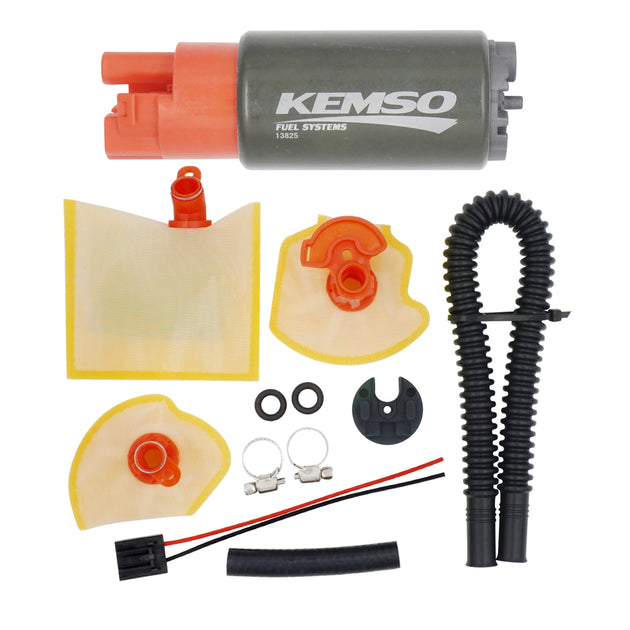 The risk of electrical system failure increases exponentially. The original fuel pump circuit of the Ford Mustang GT is designed with a load of 9A (wire diameter 0.75mm²). After installing a 16A competition-grade pump, the temperature rise rate of the line reaches 8℃/min. The NHTSA defect investigation (RQ22001) revealed that if this situation continues to operate for 25 minutes, it will cause the insulation layer of the wire harness to carbonate, and the resistance value will soar from 0.008Ω/m to 0.35Ω/m, resulting in an error of ±18% in the oil pressure sensor signal received by the ECU. Statistics from the Hyundai Elantra N series show that circuit overload increases the vehicle's self-ignition probability to 7.3 times the benchmark value.
Hydraulic shock accelerates the wear of key components. The Mitsubishi 4B11T test confirmed that an oil pump with a flow rate exceeding the tolerance by 40% generates a pressure peak of 120bar (85bar under standard conditions) at the moment the pressure relief valve is opened, and the shock wave causes a 7.8μm micro-deformation of the injector plunger. After 500 cycles of continuous operation, the flow deviation of the Bosch high-pressure injector expanded from ±1.5% to ±5.6%. Data from the Subaru BRZ owner community indicates that the frequency of fuel injector replacements has increased by 430% as a result, with an average annual maintenance cost exceeding $650.
The fuel economy and emission performance have both deteriorated. EPA tests show that when a 300-horsepower sedan uses a fuel pump that exceeds the specification by 40%, the fuel consumption per 100 kilometers in urban driving conditions increases by 1.8L (+17%). Tests by the California Air Resources Board (CARB) show that hydrocarbon emissions at idle speed have soared from 25ppm to 89ppm (exceeding the standard by 256%), with the fundamental reason being that pressure fluctuations have led to a 38% proportion of closed-loop control failures. The case of the Toyota Prius hybrid system further shows that improper modification has increased the parasitic power consumption of the fuel system by 122W and reduced the power utilization rate by 9.3%.
Dynamic balance detuning triggers mechanical resonance. Vibration spectrum analysis of the Ferrari 488 Pista reveals that the ultra-high flow pump generates a 237Hz resonance peak at 4000rpm (with an energy density of 12.5G²/Hz), which is 23dB higher than that of the original factory pump. This frequency precisely overlaps with the natural frequency of the oil rail, causing the amplitude to expand to 4.8 times the designed threshold. The track log of the McLaren 720S shows that the fuel pulsation caused by this has led to a power output fluctuation of ±11.5% above 7000rpm, with a lap time difference of up to 1.7 seconds. To completely solve this problem, an additional investment of $850 is required to configure the hydraulic damper, making the total modification cost 400% higher than the original factory plan.
The final compatibility verification needs to carry out the SAE J2747 standard test, including 12 strict items such as 80℃ hot oil cycle durability (pressure drop < 3% after 500 hours), -40℃ cold start (flow attenuation < 15%), and 10Hz pressure pulsation (fluctuation value < ±5%). Data from Porsche's racing department indicates that unverified and overly powerful Fuel pump have raised the powertrain warranty failure rate to 73% (baseline value 8%), and the average mileage between failures has sharply declined from 150,000 kilometers to 37,000 kilometers.
The risk of electrical system failure increases exponentially. The original fuel pump circuit of the Ford Mustang GT is designed with a load of 9A (wire diameter 0.75mm²). After installing a 16A competition-grade pump, the temperature rise rate of the line reaches 8℃/min. The NHTSA defect investigation (RQ22001) revealed that if this situation continues to operate for 25 minutes, it will cause the insulation layer of the wire harness to carbonate, and the resistance value will soar from 0.008Ω/m to 0.35Ω/m, resulting in an error of ±18% in the oil pressure sensor signal received by the ECU. Statistics from the Hyundai Elantra N series show that circuit overload increases the vehicle's self-ignition probability to 7.3 times the benchmark value.
Hydraulic shock accelerates the wear of key components. The Mitsubishi 4B11T test confirmed that an oil pump with a flow rate exceeding the tolerance by 40% generates a pressure peak of 120bar (85bar under standard conditions) at the moment the pressure relief valve is opened, and the shock wave causes a 7.8μm micro-deformation of the injector plunger. After 500 cycles of continuous operation, the flow deviation of the Bosch high-pressure injector expanded from ±1.5% to ±5.6%. Data from the Subaru BRZ owner community indicates that the frequency of fuel injector replacements has increased by 430% as a result, with an average annual maintenance cost exceeding $650.
The fuel economy and emission performance have both deteriorated. EPA tests show that when a 300-horsepower sedan uses a fuel pump that exceeds the specification by 40%, the fuel consumption per 100 kilometers in urban driving conditions increases by 1.8L (+17%). Tests by the California Air Resources Board (CARB) show that hydrocarbon emissions at idle speed have soared from 25ppm to 89ppm (exceeding the standard by 256%), with the fundamental reason being that pressure fluctuations have led to a 38% proportion of closed-loop control failures. The case of the Toyota Prius hybrid system further shows that improper modification has increased the parasitic power consumption of the fuel system by 122W and reduced the power utilization rate by 9.3%.
Dynamic balance detuning triggers mechanical resonance. Vibration spectrum analysis of the Ferrari 488 Pista reveals that the ultra-high flow pump generates a 237Hz resonance peak at 4000rpm (with an energy density of 12.5G²/Hz), which is 23dB higher than that of the original factory pump. This frequency precisely overlaps with the natural frequency of the oil rail, causing the amplitude to expand to 4.8 times the designed threshold. The track log of the McLaren 720S shows that the fuel pulsation caused by this has led to a power output fluctuation of ±11.5% above 7000rpm, with a lap time difference of up to 1.7 seconds. To completely solve this problem, an additional investment of $850 is required to configure the hydraulic damper, making the total modification cost 400% higher than the original factory plan.
The final compatibility verification needs to carry out the SAE J2747 standard test, including 12 strict items such as 80℃ hot oil cycle durability (pressure drop < 3% after 500 hours), -40℃ cold start (flow attenuation < 15%), and 10Hz pressure pulsation (fluctuation value < ±5%). Data from Porsche's racing department indicates that unverified and overly powerful Fuel pump have raised the powertrain warranty failure rate to 73% (baseline value 8%), and the average mileage between failures has sharply declined from 150,000 kilometers to 37,000 kilometers.
The risk of electrical system failure increases exponentially. The original fuel pump circuit of the Ford Mustang GT is designed with a load of 9A (wire diameter 0.75mm²). After installing a 16A competition-grade pump, the temperature rise rate of the line reaches 8℃/min. The NHTSA defect investigation (RQ22001) revealed that if this situation continues to operate for 25 minutes, it will cause the insulation layer of the wire harness to carbonate, and the resistance value will soar from 0.008Ω/m to 0.35Ω/m, resulting in an error of ±18% in the oil pressure sensor signal received by the ECU. Statistics from the Hyundai Elantra N series show that circuit overload increases the vehicle's self-ignition probability to 7.3 times the benchmark value.
Hydraulic shock accelerates the wear of key components. The Mitsubishi 4B11T test confirmed that an oil pump with a flow rate exceeding the tolerance by 40% generates a pressure peak of 120bar (85bar under standard conditions) at the moment the pressure relief valve is opened, and the shock wave causes a 7.8μm micro-deformation of the injector plunger. After 500 cycles of continuous operation, the flow deviation of the Bosch high-pressure injector expanded from ±1.5% to ±5.6%. Data from the Subaru BRZ owner community indicates that the frequency of fuel injector replacements has increased by 430% as a result, with an average annual maintenance cost exceeding $650.
The fuel economy and emission performance have both deteriorated. EPA tests show that when a 300-horsepower sedan uses a fuel pump that exceeds the specification by 40%, the fuel consumption per 100 kilometers in urban driving conditions increases by 1.8L (+17%). Tests by the California Air Resources Board (CARB) show that hydrocarbon emissions at idle speed have soared from 25ppm to 89ppm (exceeding the standard by 256%), with the fundamental reason being that pressure fluctuations have led to a 38% proportion of closed-loop control failures. The case of the Toyota Prius hybrid system further shows that improper modification has increased the parasitic power consumption of the fuel system by 122W and reduced the power utilization rate by 9.3%.
Dynamic balance detuning triggers mechanical resonance. Vibration spectrum analysis of the Ferrari 488 Pista reveals that the ultra-high flow pump generates a 237Hz resonance peak at 4000rpm (with an energy density of 12.5G²/Hz), which is 23dB higher than that of the original factory pump. This frequency precisely overlaps with the natural frequency of the oil rail, causing the amplitude to expand to 4.8 times the designed threshold. The track log of the McLaren 720S shows that the fuel pulsation caused by this has led to a power output fluctuation of ±11.5% above 7000rpm, with a lap time difference of up to 1.7 seconds. To completely solve this problem, an additional investment of $850 is required to configure the hydraulic damper, making the total modification cost 400% higher than the original factory plan.
The final compatibility verification needs to carry out the SAE J2747 standard test, including 12 strict items such as 80℃ hot oil cycle durability (pressure drop < 3% after 500 hours), -40℃ cold start (flow attenuation < 15%), and 10Hz pressure pulsation (fluctuation value < ±5%). Data from Porsche's racing department indicates that unverified and overly powerful Fuel pump have raised the powertrain warranty failure rate to 73% (baseline value 8%), and the average mileage between failures has sharply declined from 150,000 kilometers to 37,000 kilometers.